
Why Is Your Garage Door So Loud?
If your garage door has started grinding, squealing, rattling, or banging every time it opens and closes, you're not alone. Noisy garage doors are one of the most common complaints we hear from homeowners across Waukegan and the surrounding Lake County area. While some sounds are harmless and easy to fix, others can signal serious mechanical problems that need professional attention before they lead to a costly breakdown.
Understanding what different garage door noises mean can help you decide whether you need a quick DIY fix or a call to a qualified technician. Let's break down the most common sounds and what's causing them.
Grinding or Scraping Sounds
A grinding or scraping noise when your garage door moves is one of the more concerning sounds you might hear. This typically points to one of a few issues:
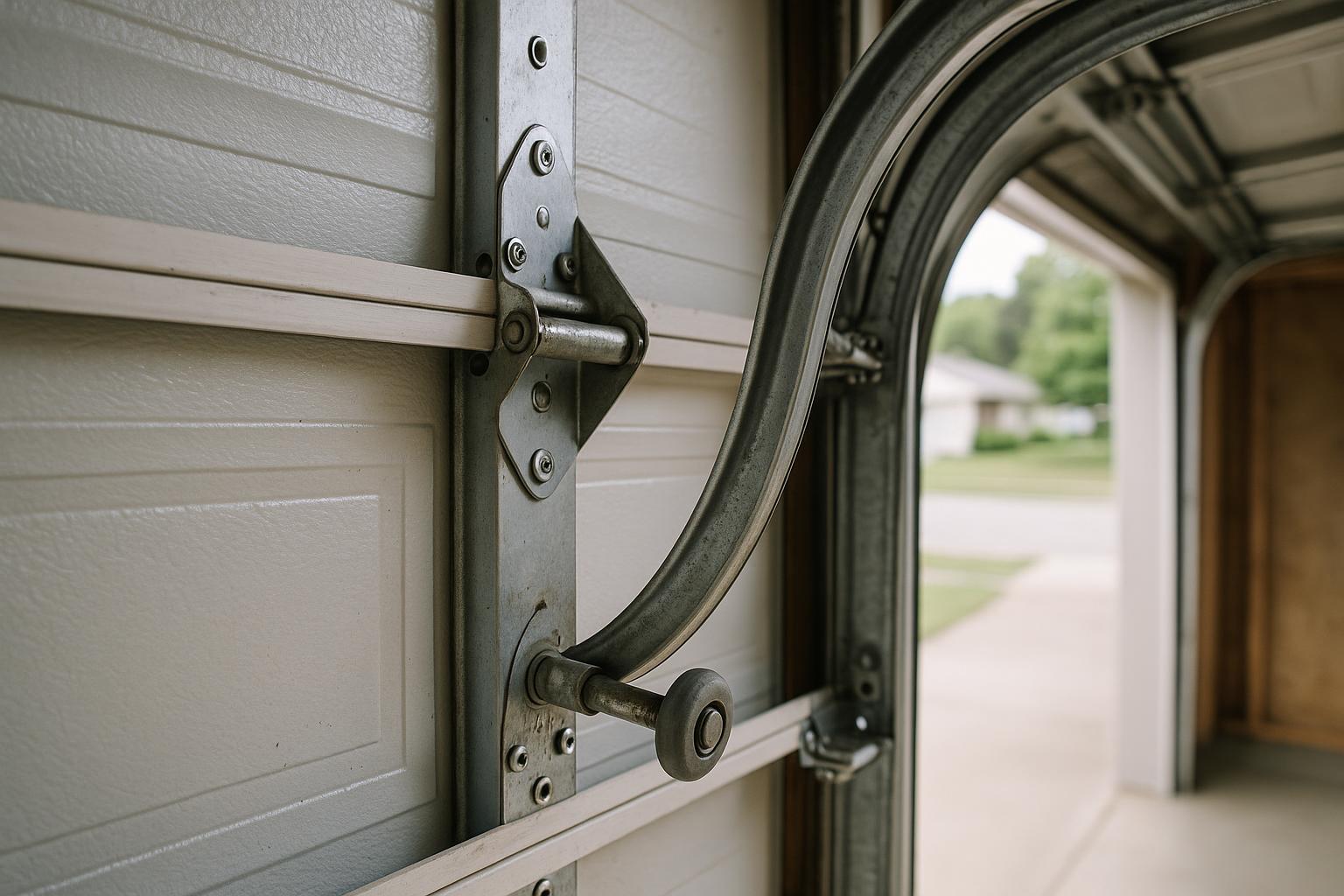
- Worn or damaged rollers: Metal rollers wear down over time, and when they lose their smooth surface, they grind against the track. Nylon rollers are quieter and last longer, making them a popular upgrade for homeowners in Waukegan who want a quieter door.
- Misaligned tracks: If the tracks that guide your door have shifted or become bent, the door can scrape against them as it moves. This puts extra strain on the entire system and should be addressed quickly.
- Lack of lubrication: Moving metal parts need regular lubrication. Without it, friction builds up and creates that unmistakable grinding sound.
If you notice grinding, inspect the rollers and tracks visually. Look for obvious signs of wear, debris in the tracks, or sections where the track appears bent or misaligned.
Squealing or Squeaking Noises
High-pitched squealing is usually a lubrication problem. Your garage door system has numerous moving parts — rollers, hinges, bearings, and springs — that all need to stay properly lubricated to function smoothly.
Here in the Waukegan area, our harsh winters and humid summers take a toll on garage door hardware. Temperature swings cause metal components to expand and contract, which can accelerate wear and dry out lubricant faster than you might expect.
How to Fix Squeaky Garage Door Parts
Apply a silicone-based or lithium-based garage door lubricant to the following components:
- Rollers (avoid the tracks themselves)
- Hinges at each panel joint
- Spring coils
- Bearing plates at the top of the door
- The lock mechanism
Important: Never use WD-40 as a long-term lubricant for your garage door. While it's great for loosening stuck parts, it's actually a solvent that can strip away the grease your components need. Use a product specifically designed for garage door maintenance.
Rattling or Vibrating Sounds
Rattling usually means something is loose. Over time, the nuts, bolts, and screws that hold your garage door system together can vibrate loose. This is especially common with older doors or doors that get heavy daily use.
A simple inspection with a socket wrench can often solve the problem. Tighten any loose hardware on the door panels, tracks, and the mounting brackets for your opener. Just be careful not to overtighten, which can strip threads or warp components.
Rattling can also come from a loose garage door opener chain. If your opener uses a chain drive, check the tension. A chain that's too loose will slap against the rail and create a noticeable rattle every time the door operates.
Banging or Popping Sounds
A loud bang or pop during operation is harder to ignore — and for good reason. These sounds often indicate a problem with your garage door springs or cables.
- Torsion spring issues: If you hear a single loud bang, especially when the door isn't in use, a spring may have broken. A broken torsion spring is a serious safety hazard and should never be repaired as a DIY project. The tension stored in these springs can cause severe injury.
- Panel or hinge problems: Popping sounds during movement can indicate that a hinge is binding or a panel section is under stress. This sometimes happens when a door is out of balance.
If you hear a sudden loud bang from your garage, check the springs visually from a safe distance. A broken spring will have a visible gap in the coil. If you confirm a break, avoid using the door and call a professional right away.
Humming Without Movement
If your garage door opener hums but the door doesn't move, the motor is running but something is preventing it from engaging the drive mechanism. Common causes include:
- A stripped gear inside the opener
- A disconnected trolley (check if the emergency release cord was pulled)
- A door that's stuck due to a broken spring or obstruction
This is different from the other noises on this list because it points specifically to the opener rather than the door itself. In many cases, an internal gear replacement can fix the problem without needing a full opener replacement.
When to Call a Professional
Some garage door noise issues are simple maintenance tasks any handy homeowner can handle — tightening bolts, applying lubricant, or clearing debris from the tracks. But other problems require professional tools, training, and experience to fix safely.
Call a garage door technician if you notice:
- A broken or visibly damaged spring
- Frayed or loose cables
- Tracks that are significantly bent or separated from the wall
- Noises that persist after lubrication and tightening
- The door feels unusually heavy when operated manually
- Any issue you're not comfortable diagnosing yourself
At Waukegan Garage Door, we regularly help homeowners in Waukegan, Gurnee, Libertyville, North Chicago, and throughout Lake County diagnose and fix noisy garage doors. Sometimes the solution is as simple as a tune-up and lubrication. Other times, worn-out rollers or aging hardware need to be replaced. Either way, catching the problem early almost always saves money compared to waiting for a full failure.
Preventive Maintenance Keeps Things Quiet
The best way to prevent a noisy garage door is to stay ahead of wear and tear with regular maintenance. We recommend having your garage door professionally inspected and serviced at least once a year. During a maintenance visit, a technician will lubricate all moving parts, check spring tension and balance, tighten hardware, inspect cables and rollers, and test safety features.
Between professional visits, you can keep things running smoothly by applying garage door lubricant to the rollers, hinges, and springs every six months — especially before winter sets in here in northern Illinois.
A quiet garage door isn't just more pleasant to live with. It's usually a sign that everything is working the way it should. If your door has started making noises that weren't there before, don't ignore them. A little attention now can prevent a much bigger repair bill down the road.
Have a noisy garage door that's driving you crazy? Contact Waukegan Garage Door to schedule an inspection. We'll track down the source of the noise and get your door running smoothly again.